Burst Pipes in Fort Lauderdale, Why They Happen and What to Do When One Does?

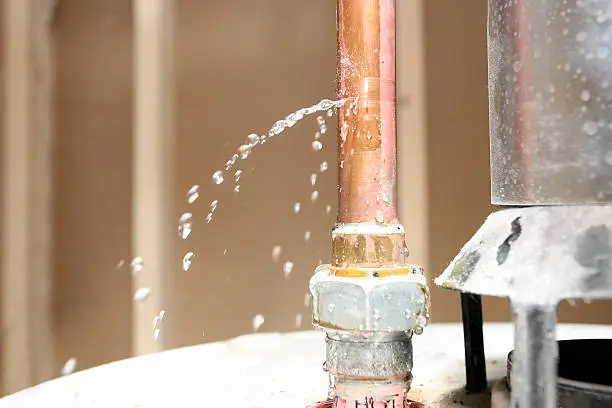
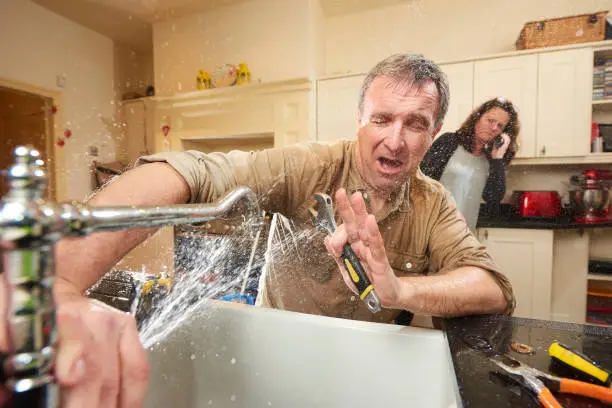
There’s a particular kind of panic that comes with a burst pipe. Water where it absolutely shouldn’t be, spreading fast, and your brain trying to figure out what to do first while also processing that something has gone pretty wrong.

If you’re reading this in the middle of it – go shut the main water valve off right now and come back. Everything else can wait sixty seconds.

If you’re reading this because it already happened, or because you want to be prepared – this covers everything you need to know.

Why Pipes Burst Here

Up north, burst pipes are almost always a cold weather story. Temperatures drop, water freezes, pipe splits. That’s not really what happens in Fort Lauderdale. Here, when a pipe bursts, it’s almost always something that’s been building quietly for a long time before it finally gives.

Hard water corrosion is the most common cause by far. Broward County’s water supply is loaded with calcium and magnesium minerals, and over years those minerals slowly eat through copper and galvanized pipe walls from the inside. The pipe looks fine on the outside while it’s thinning from within – until normal water pressure is enough to push through.

High water pressure puts constant stress on every joint and fitting in the system. Pipes don’t usually fail in the middle – they give at the weakest point, which is almost always a connection that’s been under pressure for years.

Tree roots are a Fort Lauderdale-specific problem. Ficus roots especially are aggressive and actively seek out water. They find hairline cracks, work their way in, and cause enough damage over time that the pipe structure eventually fails.

Most burst pipes in this area aren’t random bad luck. They’re the end result of something that’s been developing for a while – which also means there are usually warning signs if you know what to look for.
Warning Signs Worth Paying Attention To

  • Water pressure that’s suddenly different – noticeably lower or inconsistent at the faucets – can mean a pipe is already compromised somewhere in the system.
  • Discolored water from the hot tap – brown or rust-colored, especially first thing in the morning – suggests corrosion inside the pipes that’s getting into the water supply.
  • Unexplained wet patches in the yard, damp spots on walls or ceilings, or flooring that feels soft in places it shouldn’t – these often mean a slow leak has already started somewhere.
  • Water bills creeping up without any change in usage habits. Water going somewhere it shouldn’t is still water being measured by your meter.
  • Two or three of these together – in a home with older plumbing – is worth having someone take a look before something actually goes wrong.

In the Moment - What to Actually Do

Turn off the water heater. Once the main supply is off, the water heater shouldn’t keep running. Flip the breaker on an electric unit or switch a gas unit to pilot mode.

Move things out of the way. Water spreads faster than people expect. Electronics, documents, anything that matters – move it now.

Document before you clean up. Take photos of the damage as it is – the pipe location, water on the floor, anything visibly affected. If there’s an insurance claim involved, these photos matter more than most people realize in the moment.

Then call. There’s no benefit to calling while water is still actively flowing and the supply isn’t off yet.

Had a Burst Pipe Or Want to Know What's happened?

Whether you’re currently ankle-deep in water or just suspicious of those old pipes behind the walls, we provide the answers you need. We specialize in finding the root cause, not just the surface leak, so you can make an informed decision for your home.

📞 Call Us Now: +1 954 775 8545
📧 Email: Info@pureplumbing-services.com
🔗 Visit Our Service Page: Whole Home Water Filtration Service

Fast, reliable, and local, Home Plumbing Repairs is Fort Lauderdale’s trusted choice for better water.